Explorex · Elite
We gave customers bigger discounts.Revenue went up 35%.
Explorex helped restaurants process the transaction. We saw an opportunity beyond it: give customers a reason to come back.
Explorex · Elite
Explorex helped restaurants process the transaction. We saw an opportunity beyond it: give customers a reason to come back.
From the tiered discount engine, live in Elite and Bridge together.
On a consumer app that did not exist before this project.
Held across every partner restaurant running the app.
01 · The gap
QR ordering made the transaction easier. But after payment, the relationship ended.
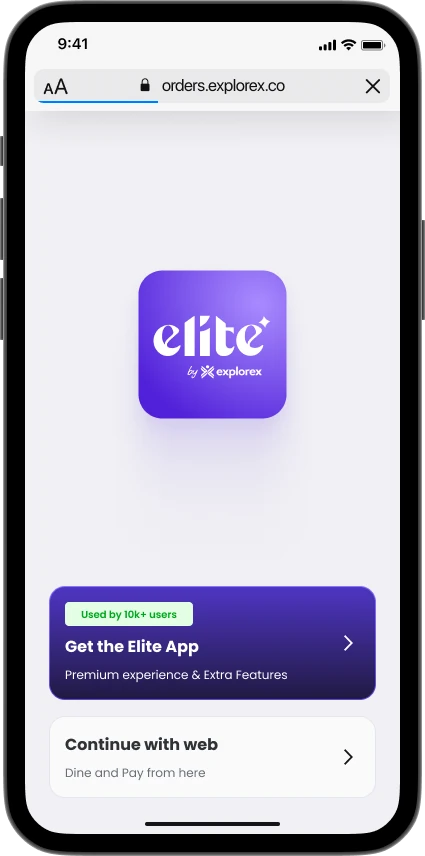
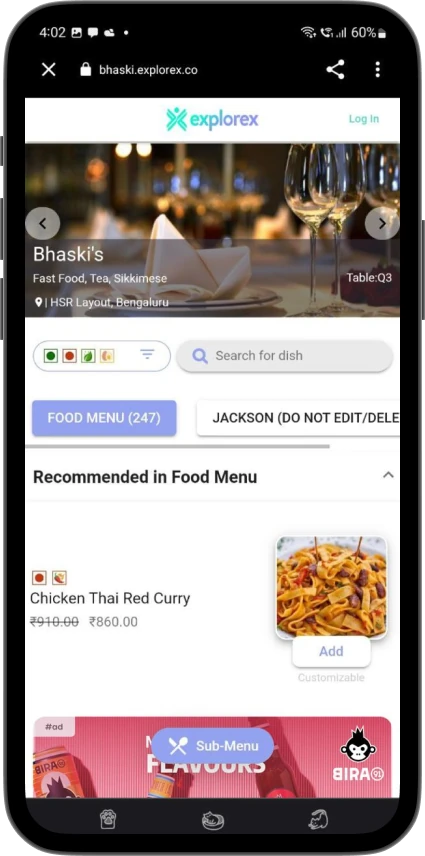
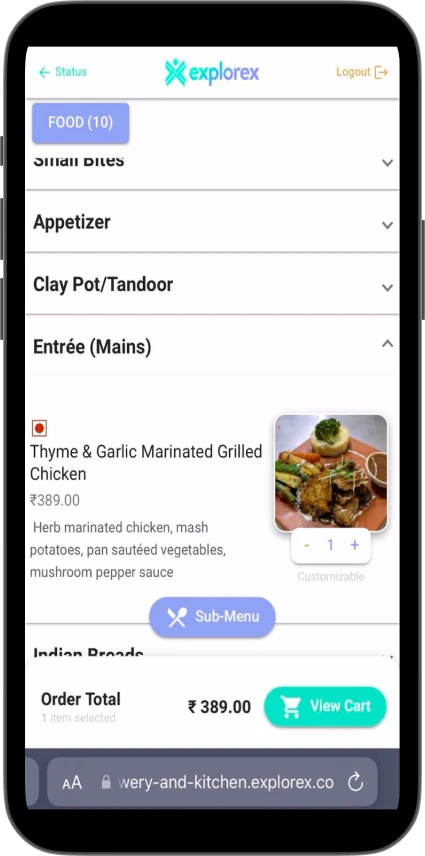
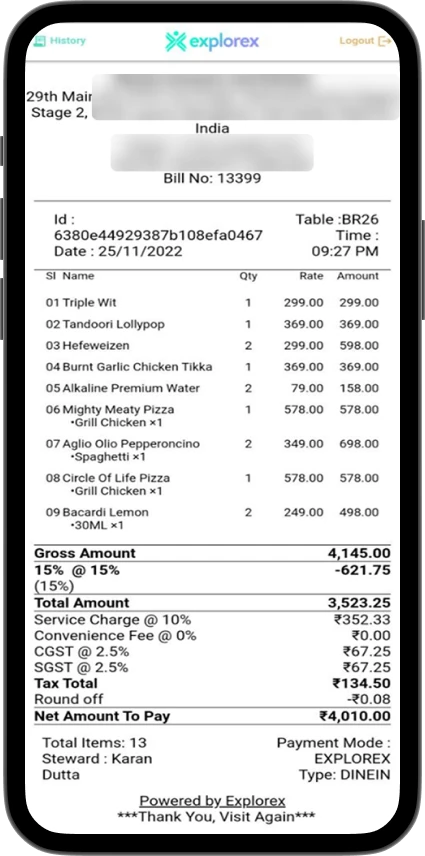
What if payment wasn't the end?
02 · The product bet
Elite connected the restaurant visit to rewards, giving customers a reason to come back and giving restaurants a way to build a longer-term relationship.
03 · The decision
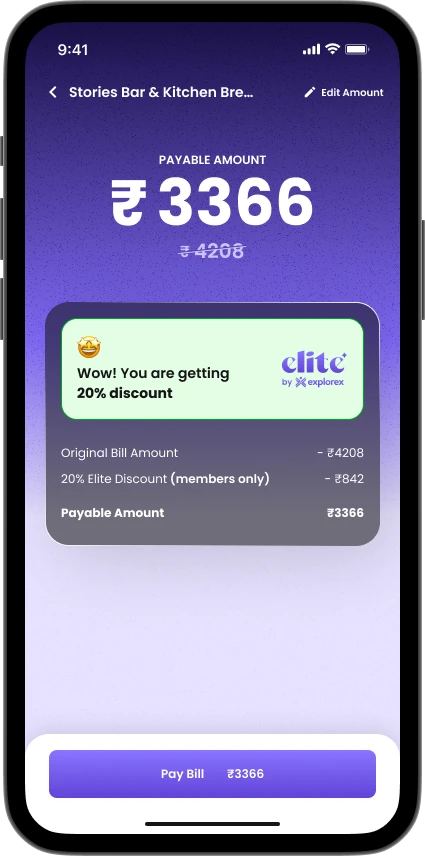
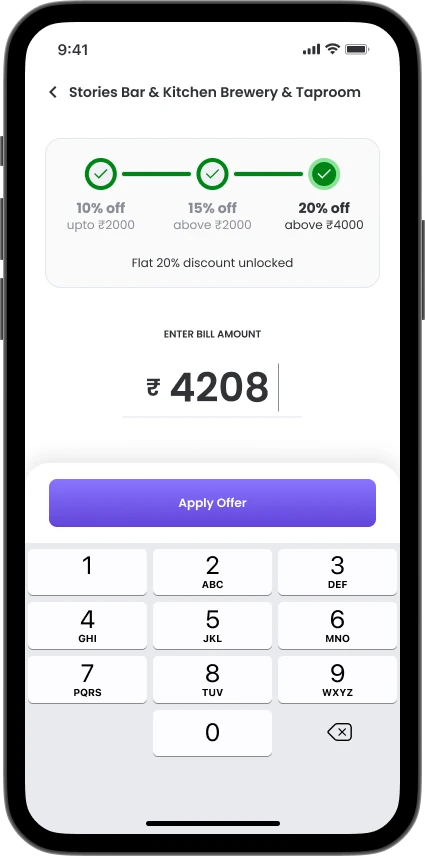
A flat discount rewards the transaction that's already happening. We wanted the reward to influence what the customer did next.
Average order value → optimised reward thresholds.
Dining history and frequency → personalised reward value.
The tiers weren't fixed. They were tuned to each restaurant's average order value, and adapted to each customer's dining behaviour across Explorex restaurants.
Make the next threshold visible. Make the next purchase feel worth it.
04 · Business mechanism
Unlock a better reward. Have a reason to return.
Higher revenue. A repeat customer, not a one-off discount.
The challenge was to increase customer value without turning the reward into a margin giveaway.
05 · A pain point, fixed with data
The worst part of a busy night out isn't the wait. It's not knowing if anyone is coming.
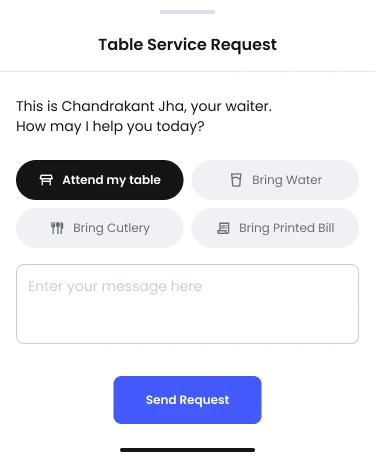
Requesting service already existed in the ordering flow. Almost nobody used it, because almost nobody could find it. We rebuilt the entry point around the requests guests actually made most, water, cutlery, the bill, named to the waiter serving the table.
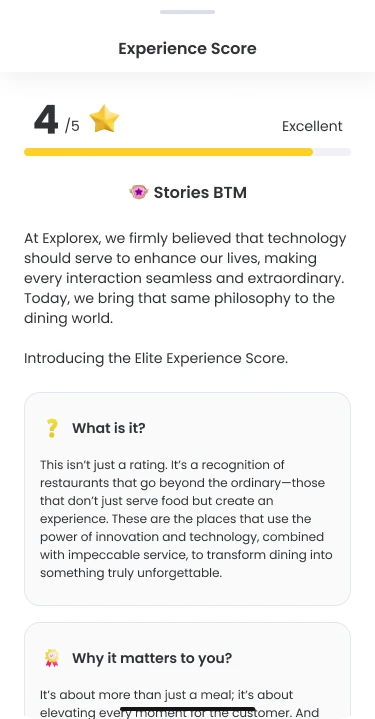
A star rating is one number with no explanation. Elite's Experience Score is built from satisfaction rate, amenities and footfall instead, shown to a guest before asking them to trust it, so the tiering and table status decisions elsewhere in the app feel earned, not arbitrary.
06 · Research, Bangalore
We shadowed restaurant staff and mapped how orders, tables and rewards actually moved across Bangalore restaurants.
Three things that shaped Elite.

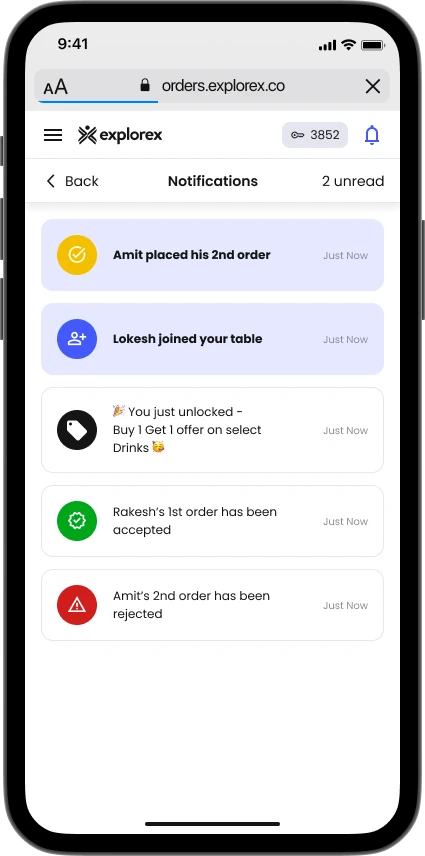
01 · Where the phone actually goes. Orders are rarely solo. The phone that matters is whichever one is in someone's hand, so a shared, glanceable bill mattered more than a polished solo checkout.
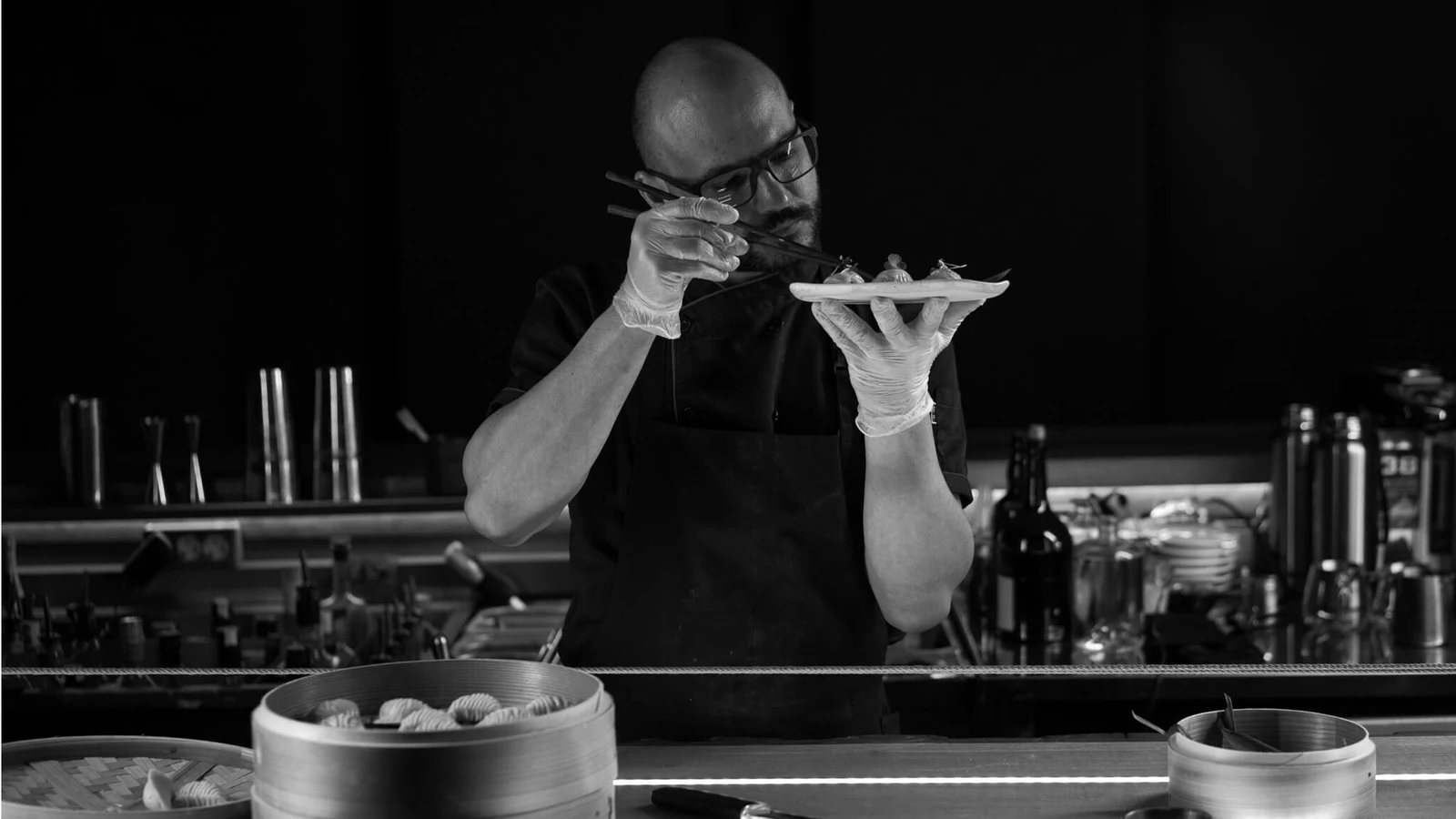
02 · The kitchen never saw the guest. Reward and discount context lived entirely on the guest's phone, so recognition depended on staff memory, not the system.

03 · Staff already read the room. Experienced floor staff were reading a room's rush by eye. Live Table Status had to formalise that instinct, not invent a new behaviour.
07 · One platform, tiered partners
Signature, Classic and Regular. The tier shapes what a guest sees first.
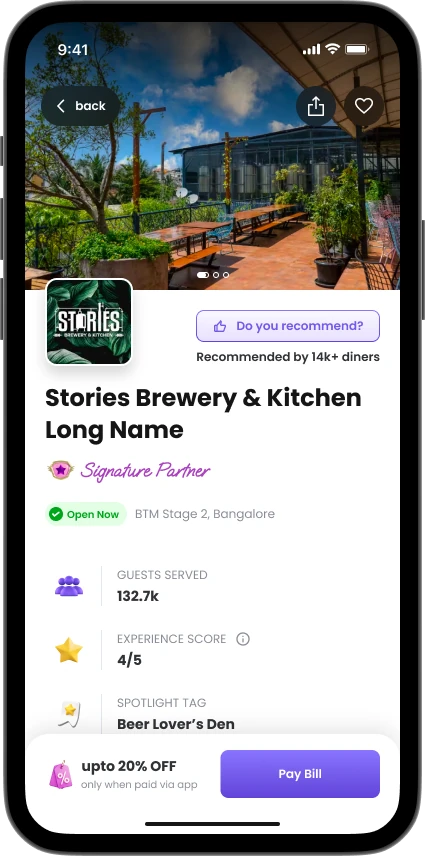
Three things sit above the fold on a Signature Partner's page, the context a guest needs before opening a menu.
The reward engine runs on the same platform as ordering and payment, so tiering is a partnerships decision, not a separate system. Our job was making that tier legible in three seconds, not deciding who qualifies for it.
08 · Live Table Status
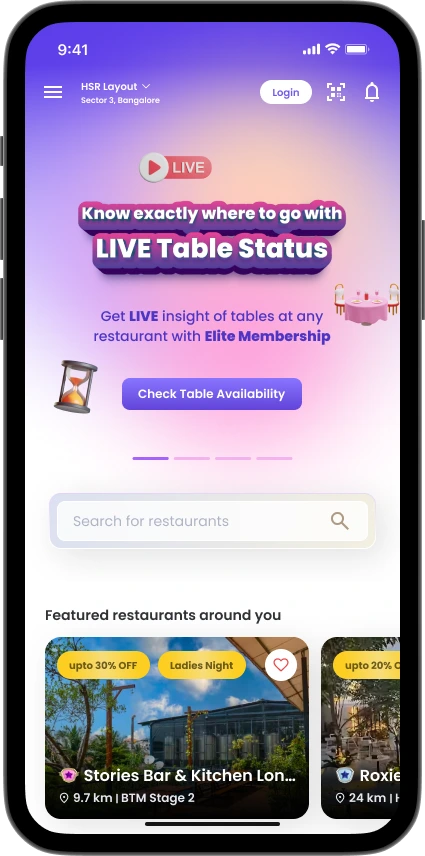
Two ways in: browse every nearby restaurant's fill level, or check one restaurant directly against your party size.
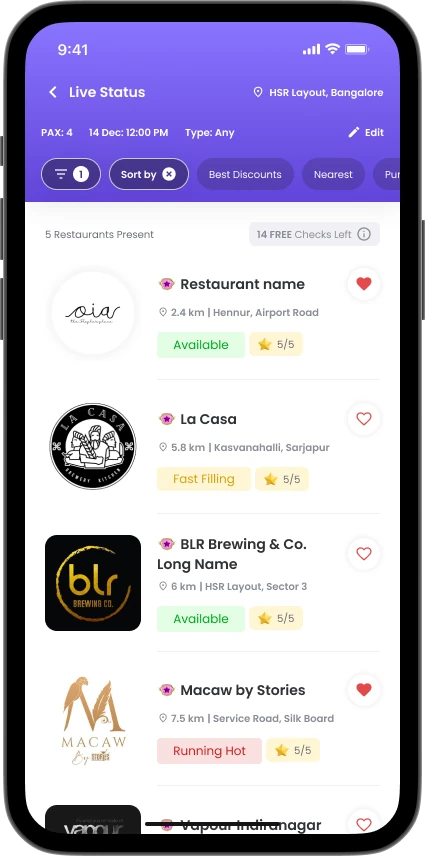
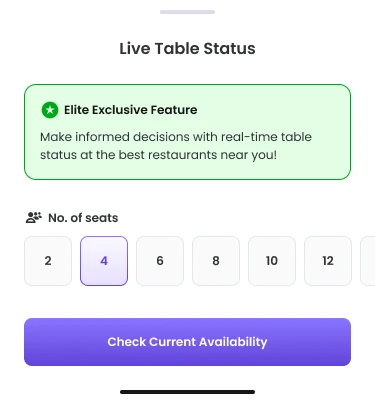
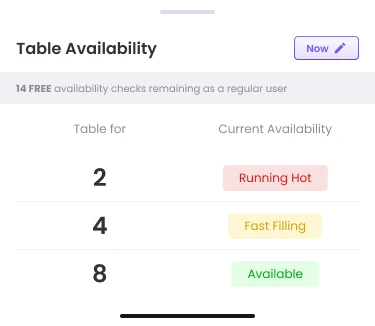
This is the feature guests most associate with joining Elite. It answers the one question a reward never could: is tonight even worth going.
09 · Beyond the diner
Elite's reward only holds up if a waiter accepts an order in seconds, not minutes. Bridge is where that happens.
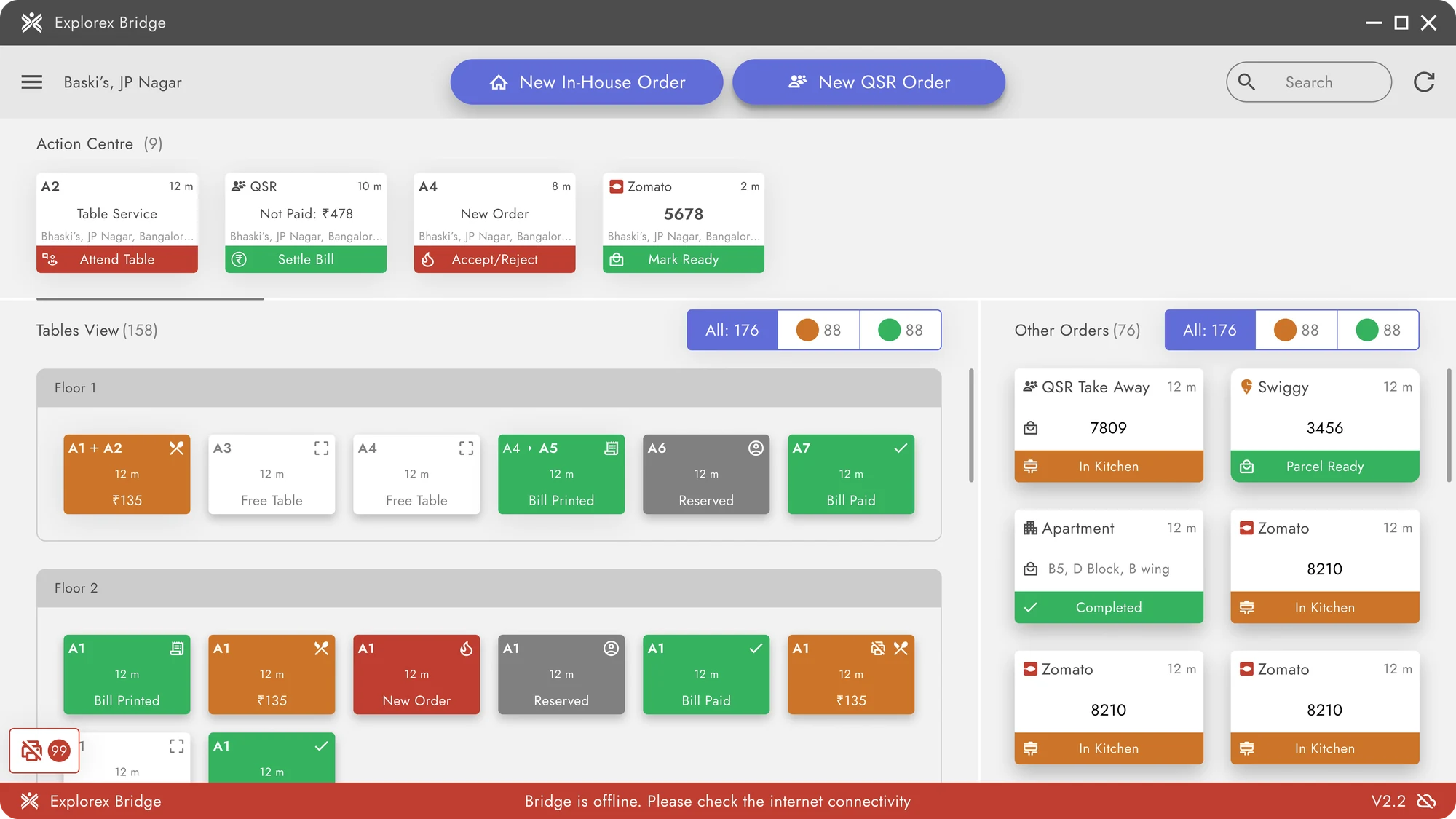
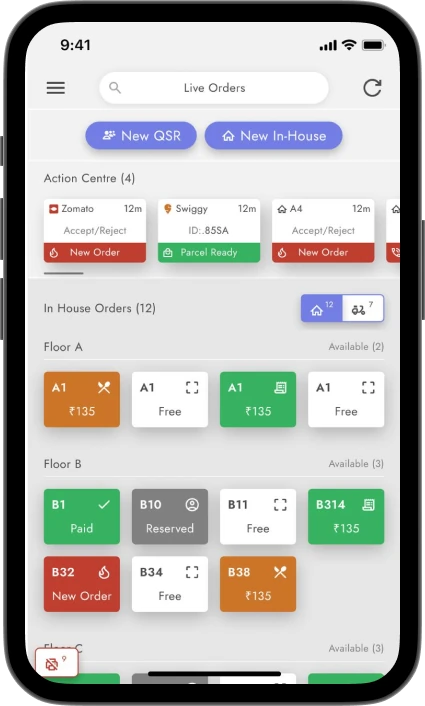
Bridge and mPOS run the same Action Centre logic, on the host desktop and in a waiter's pocket alike. Table service requests, unpaid bills and new orders all land in one ranked queue. The reward a guest sees on their phone only holds up if the floor side keeps pace with it.
I stopped designing the transaction and started designing what happened after it.